


I keep waiting for the moment when this feels loud enough.
When it finally sounds like violence.
But it doesn’t. That’s the problem.
It sounds like paperwork.
It sounds like doors closing softly.
It sounds like people saying, “this is unfortunate,” and then going back to their lives.
I am told not to use the word execution.
As if execution only counts when it is bloody and immediate and undeniable.
As if killing has never learned how to dress itself up.
What do you call it when the state decides a person’s life is expendable enough to be used as
an example?
What do you call it when fear is intentional — when suffering is meant to travel faster than the
person themselves?
What do you call it when disappearance is policy?
We have names for this in history.
We just pretend they don’t apply until it’s too late.
Everyone says Hitler like it’s a jump, like it came out of nowhere, like it wasn’t preceded by
years of people insisting this was different. That it was legal. That it was necessary. That order
mattered more than mercy.
He didn’t begin with bodies.
He began with categories.
With permission.
Permission to believe that some people are problems instead of neighbors.
Permission to believe that removal can be moral if it keeps others comfortable.
Permission to look away.
And what terrifies me is not that people are cruel — it’s that they are calm.
Calm enough to argue semantics while human beings are reduced to warnings.
Calm enough to debate tone while dignity is stripped quietly, efficiently, behind walls no one
wants to imagine.
Calm enough to pray without acting, to preach love without disruption.
The Church says every person bears the image of God.
Not most.
Not legally.
Not conditionally.
Every.
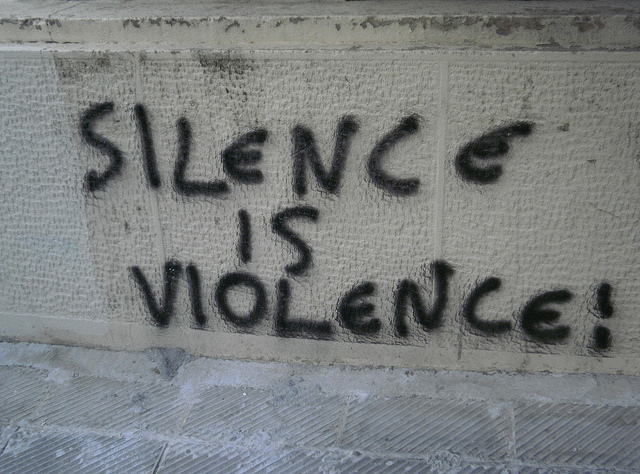
So tell me what it means when we accept a system that survives by breaking people until others
are too afraid to follow them. Tell me what kind of faith remains when silence feels safer than
resistance.
If Christ were here — not metaphorically, but bodily — He would not be standing with the people
explaining why this is complicated. He would be standing with the ones we have decided are
disposable.
And still, we hesitate.
We soften.
We wait.
History does not remember those moments kindly.
It remembers who spoke.
And who decided it wasn’t their problem yet.
I think about how cruelty never looks like cruelty to the people standing far enough away. How it
looks like procedure. Like schedules. Like someone else’s job. I think about how easy it is to
survive a system as long as you are not the one it is built to break.
If anything, what haunts me is how familiar this all feels — how easily we’ve learned to live
beside it, how quickly horror becomes background noise.
This is not the beginning of something new.
It is the middle of something we promised ourselves we would never allow again.
And whether we recognized the warning signs before cruelty finished becoming ordinary — as it
always does, right before we claim we didn’t know
Categories:
Untitled
February 12, 2026
More to Discover





About the Contributor
Hayden Nadler, Writer
Hayden Nadler is a sophomore at Gwynedd Mercy Academy High School. Joining Monarch Media Productions for the first time, she writes for both The Magnet and Literary Magazine. Hayden is passionate about writing as a way to express emotion and perspective, and she’s excited to bring that passion to MMP this year. Beyond writing, she plays high school and club soccer, runs track, and participates in Mock Trial and Lead for Change.